

Why early autumn rewards a slower pace
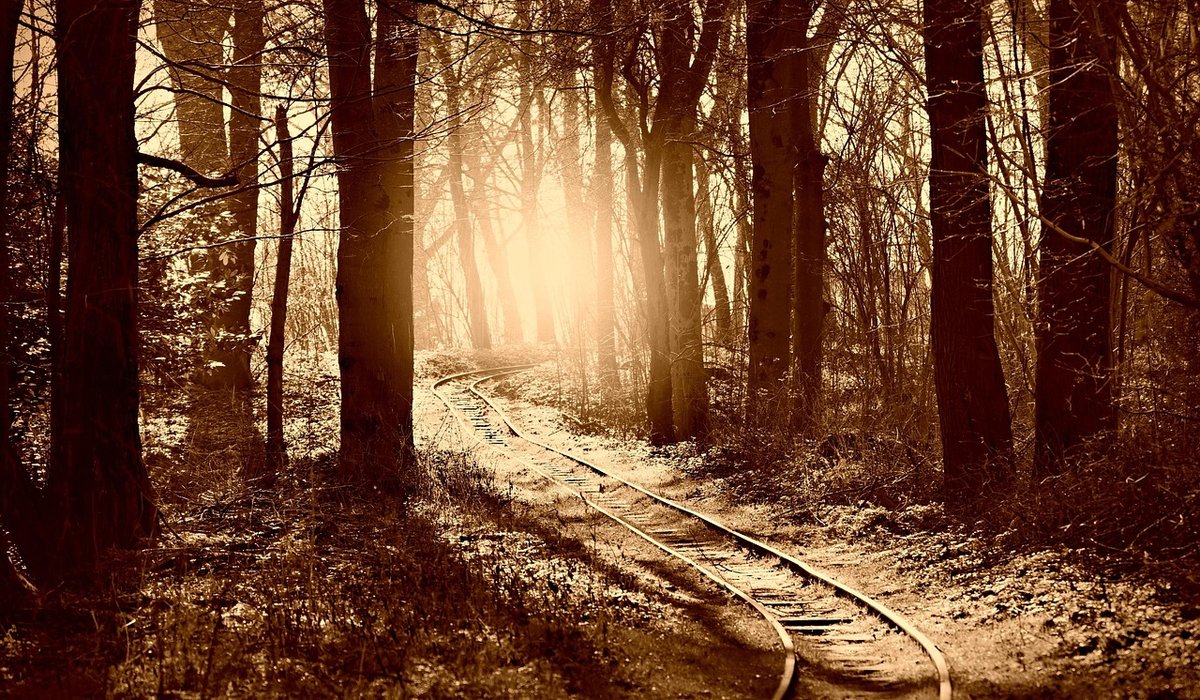
Early autumn is the season of gentle transitions. The harsh glare of summer has softened, the air carries a faint chill, and the first leaves begin to turn. A steady route through mixed woodland lets you notice these changes without rushing. This is not a hike for bagging peaks or covering miles. It is a walk for observing: the rustle of birch leaves, the flash of a jay's wing, the sudden appearance of a fungus on a mossy log. By choosing a gentle pace and a varied route, you give yourself permission to stop, look, and listen. The rewards are quiet but rich.
Choosing a mixed woodland route
Mixed woodland – where broadleaf trees like oak, ash, and birch grow alongside conifers such as pine and larch – offers the best variety for early autumn. Different species change colour at different times, so you get a longer window of interest. Look for a circular route of two to four miles, ideally on well-drained paths that will not turn muddy after a shower. Avoid steep climbs or exposed ridges; a gentle valley path or a wood with a network of level tracks is ideal. A local walking guide or a detailed map will show you footpaths, bridleways, and permissive paths. Check for stiles, gates, and any recent closures. If you are walking alone, tell someone your route and expected return time.
What to wear and carry
Comfort starts from the ground up. Sturdy shoes with a good grip are essential – not necessarily heavy walking boots, but trainers with deep tread will struggle on wet leaves and roots. A waterproof jacket and a warm mid-layer will keep you comfortable as temperatures dip when you stop. Take a small rucksack with a flask of hot tea, coffee, or soup. A flask is more than a drink; it is an excuse to pause on a bench or a log and let the woodland settle around you. Pack a small sit mat if you dislike damp seats. A lightweight waterproof map case or a phone in a dry bag is sensible. Binoculars, if you have them, will bring distant birds and high branches closer. A hand lens or magnifying glass can turn a fallen leaf into a landscape.
Noticing leaves, fungi, and birds
Early autumn is a masterclass in small details. Start with the leaves. Look for the first hints of gold on horse chestnut, the russet tints on sycamore, and the buttery yellow of birch. Some leaves fall while still green, others turn slowly. Fungi appear as if from nowhere after rain. You might spot the scarlet cap of fly agaric under birch, the creamy brackets of birch polypore, or the earthy penny bun. Never pick or eat wild fungi unless you are with an expert – many look alike and some are dangerous. Birds are busy caching food for winter. Jays carry acorns, nuthatches stash seeds in bark crevices, and mixed flocks of tits and goldcrests move through the canopy. Listen for the tapping of a woodpecker or the thin call of a redwing arriving from Scandinavia. Walk quietly and keep your eyes at three levels: ground, mid-story, and canopy.
Pacing yourself and making stops
A gentle walk is not about speed. Aim to cover no more than a mile or so per hour if you want to notice things. Stop every twenty minutes, even briefly. Use your flask at a natural resting point – a fallen log, a bridge, a clearing. Sit still for five minutes and let the woodland forget you are there. You will hear more: the chatter of a wren, the drum of a woodpecker, the creak of branches. If the weather turns, do not push on. Turn back early and save the rest for another day. Early autumn weather can change quickly, and a cold wind on a sweaty back is a recipe for discomfort. Better to finish warm and content than cold and tired.
A simple pre-walk checklist
- Footwear: sturdy shoes or boots with deep tread.
- Clothing: layers, waterproof jacket, hat and gloves if chilly.
- Flask: filled with a hot drink; a small snack too.
- Navigation: map, compass or charged phone in a dry bag.
- Extras: binoculars, hand lens, sit mat, small first-aid kit.
- Timing: start early, allow two to three hours for a short route.
Before you set off, check the weather forecast and the sunset time. Early autumn evenings draw in sooner than you expect. Wear bright or reflective clothing if you might be out near dusk. And remember: the point is not to tick off a route but to let the season unfold at its own pace. A gentle woodland walk in early autumn is a simple pleasure – one that leaves you calmer, more observant, and ready for the colder months ahead.


Coding is used in almost all aspects of life and work now, be it directly or indirectly. It’s not just for companies in the tech sector. “An increasing number of businesses rely on computer code,
Coding is used in almost all aspects of life and work now, be it directly or indirectly. It’s not just for companies in the tech sector. “An increasing number of businesses rely on computer code,
Coding is used in almost all aspects of life and work now, be it directly or indirectly. It’s not just for companies in the tech sector. “An increasing number of businesses rely on computer code,