

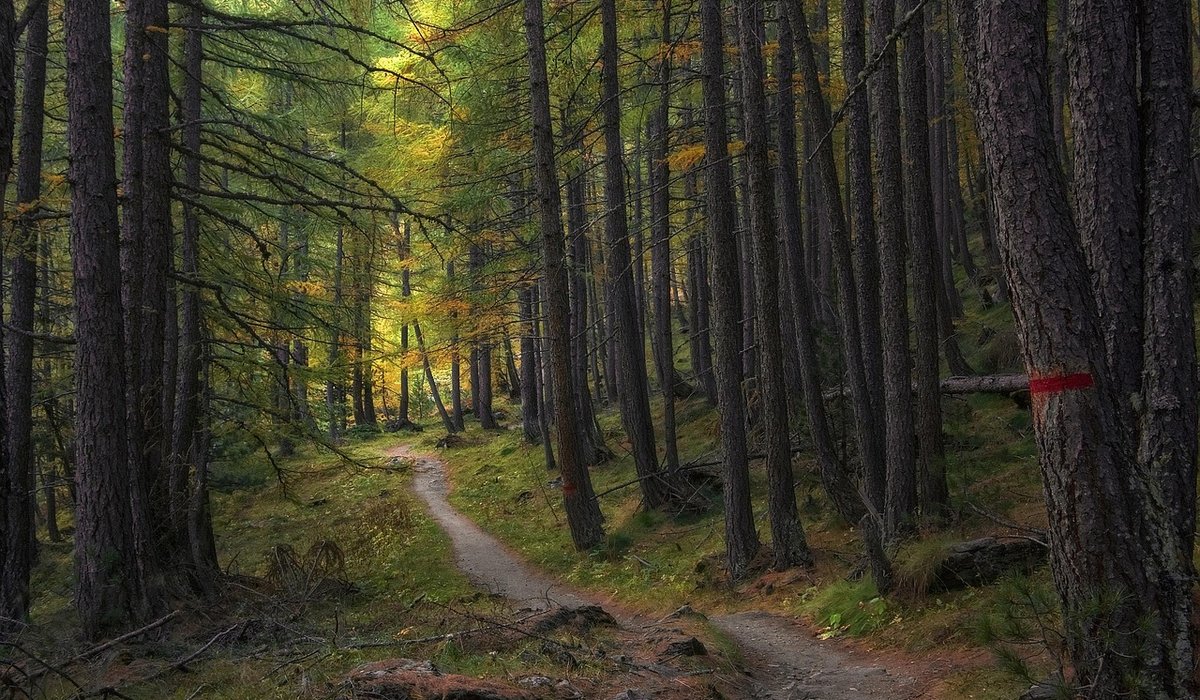
Autumn reaches a riverside path in small, precise instalments. The water runs with a hollower note as leaves drop. The air smells of damp earth and fallen fruit. Walk the same stretch each week and you begin to read it like a familiar room: where the current has cut a new edge, where the mud has softened, where the dog wants to linger. That noticing is seasonal countryside living at its best — and it keeps you and your dog safer as the ground changes.
Seeds, Berries and Fallen Treasure
Autumn is a season of dispersal. Trees and shrubs cast off seeds, and the path becomes a record of what grows nearby. Look down as well as up. Alder cones gather in dark, woody clusters along the waterline. Ash keys hang in bunches before they brown and fall. Acorns and hazelnuts appear under their parent trees, though squirrels usually get there first. Sycamore samaras — the spinning wings — collect in drifts at gateways.
Hedgerows add colour: sloes, rosehips, haws and rowan berries. Leave them for birds and confident foragers. Teaching yourself edible from toxic is a long study, not a casual nibble.
- Alder cones look like small dark pine cones and mark damp, low-lying banks.
- Ash keys fall in papery bunches and can carpet the path.
- Acorns and hazelnuts signal mature trees, but they are not dog food; acorns can harm a greedy dog.
Keep dogs from hoovering up fallen seeds and nuts. A close lead near oak and yew is a simple precaution.
Tracks in Soft Ground
After rain, mud becomes a notebook. Look for tracks in softer sections, especially where the path narrows between hedge and water. Deer slots show two clear toes and a heart-shaped pad; roe and fallow leave neat, pointed prints. Badger prints are broad and five-toed, often in a straight line. Fox prints are smaller and narrower. Otter tracks may show five toes and a hint of webbing, usually near spraint — a dark, oily deposit on a stone, often smelling faintly of fish.
- Deer slots — two toes, no claw marks, often at woodland edges.
- Badger prints — broad pad, five toes, claw marks usually visible.
- Otter signs — tracks, spraint and slides; keep your distance.
Tracking is a pleasure, but the bank is a busy thoroughfare. Dogs can disturb otters, water voles and nesting birds. Keep them close and move on quietly.
Reading the Water Level
Water levels shift quickly in autumn. A night of rain can turn a clear stream into a brown, pushy current. Look for the debris line — a tidemark of leaves, twigs and silt on banks and low branches. It tells you how high the water has been and how fast it is falling. Fresh silt on grass, exposed roots and undercut banks all mean the edge is unstable.
Recent rain softens banks. The top may look firm, but the current can hollow out the underside. Avoid low ledges, crumbling edges and any bank that slumps under your boot. Keep dogs away from the water's edge, especially where the current is fast or the bank drops away.
- Rising water — darker colour, faster debris, deeper sound.
- Falling water — clarity returns, stones show, silt lines mark the high point.
- Unstable banks — undercut edges, cracks, fresh slumps: stay back.
Path Craft and Dog Sense
Autumn walks need a little more kit and attention. A short lead is your best tool near water, livestock and steep drops. A harness with a handle helps you lift a muddy dog over a stile or away from a soft edge. High-value treats help recall on days when the path smells of deer and fox. Check paws for flints and glass, and check ears, armpits and belly for ticks after every walk.
Stay on the path where possible, even when muddy. Widening a path around a puddle damages the bank and creates erosion. If the path is flooded, turn back rather than trampling the verge. Blue-green algae can persist in still edges in autumn; keep dogs out of scummy water. If the bank has been softened by recent rain, give it space.
Bringing the Walk Home
Home comfort after a riverside walk is its own ritual. A boot tray by the door, an old towel for the dog, and a warm drink waiting in the kitchen make the return as pleasurable as the outing. Rinse muddy paws with cool water, dry the dog thoroughly, and check for ticks before it settles on the sofa. Hang wet coats where air can move around them. Empty pockets of seed heads, twigs and conkers.
Then let the house fill with autumn: a blanket on the chair, a basket of logs, a pan of soup, the smell of wet leaves drying by the door. The path has told you what the season is doing — where the water has been, which animals are moving, where the ground is soft. You have read the signs, kept your dog close, and come home to warmth. That is the rhythm of countryside living at its best.


Coding is used in almost all aspects of life and work now, be it directly or indirectly. It’s not just for companies in the tech sector. “An increasing number of businesses rely on computer code,
Coding is used in almost all aspects of life and work now, be it directly or indirectly. It’s not just for companies in the tech sector. “An increasing number of businesses rely on computer code,
Coding is used in almost all aspects of life and work now, be it directly or indirectly. It’s not just for companies in the tech sector. “An increasing number of businesses rely on computer code,