

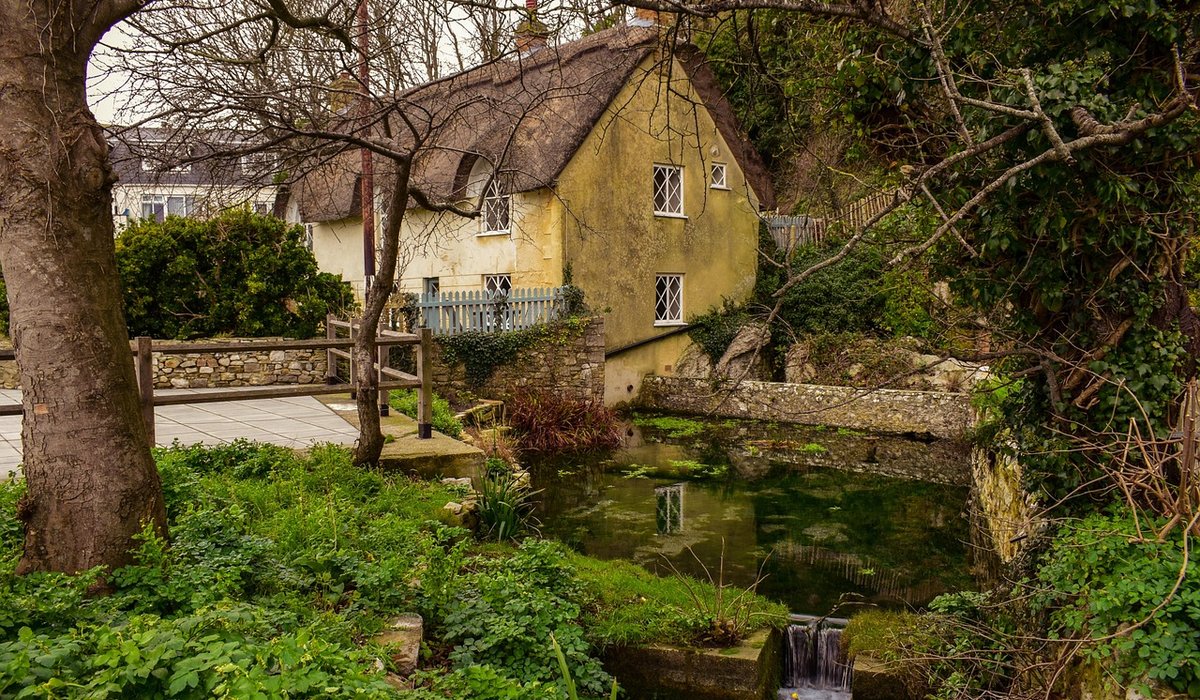
Why a Stream or a Stand of Trees Does Half the Work
There is a particular quiet that settles on a Derbyshire brook in early autumn, or under the beech canopy of a Chiltern wood in June. It is not silence exactly. Water moves, leaves shift, a wren argues with a blackbird. But the sound is steady and unremarkable, and the body seems to read it as permission to slow down.
That matters, because breathing well outdoors is easier than breathing well in a busy kitchen. The fresh air is cooler and often damper, which feels pleasant in the nostrils. There are fewer interruptions. And there is something about moving water in particular that holds the attention without demanding anything of it. You do not have to concentrate on a stream. You simply stand near it, and your breathing begins to lengthen on its own.
The technique below is old, simple and unglamorous. It costs nothing, needs no equipment, and works just as well on a canal towpath in Birmingham as it does on a Highland lochside.
The Four-Six Rhythm, Step by Step
The idea is straightforward: breathe in for four counts, out for six. A slightly longer exhale than inhale is the key. It encourages the nervous system towards calm rather than alertness, and most people find it comfortable within a minute or two.
Here is how to do it properly.
- Stand or sit comfortably. Feet flat, shoulders loose. If you are sitting on a bench or a dry stone wall, let your hands rest on your thighs.
- Breathe in through your nose for four counts. Count steadily, roughly one per second. Do not fill your lungs to the brim; aim for about three-quarters full.
- Breathe out through your nose, or gently through pursed lips, for six counts. Let the air leave without pushing it. The exhale should feel like a sigh, not a effort.
- Pause for a beat, then repeat. Ten rounds takes around two minutes. Twenty rounds is a generous, unhurried session.
If six feels too long, use five. If four feels too short, use five and seven. The ratio matters more than the numbers. Never strain. If you find yourself gasping, gulping, or feeling light-headed, stop counting and breathe normally for a while. This is meant to be restful, not a test.
Choosing a Spot Within Walking Distance
You do not need a national park. The best place is the one you will actually visit on a Tuesday afternoon in February.
- A stream, brook or riverbank. Moving water is the classic. Find a spot where you can stand safely a metre or two back from the edge.
- Under trees. A mature oak, a stand of pines, a churchyard yew. Woodland air is noticeably still and smells of leaf mould and bark.
- A hedgerow or field edge. Good in spring and summer, when the verge is full of cow parsley and the light is soft.
- Your own garden or a shared green. Entirely valid. A single birch tree and a bit of quiet will do the job.
Visit at different times if you can. Early morning has the clearest air and the fewest people. Late afternoon in winter gives you the last of the light and a good excuse for a flask of tea afterwards.
Dressing for It, Season by Season
Half the battle with outdoor breathing is simply being warm enough to relax. Cold shoulders make shallow breaths.
In winter, layer properly: a base layer, a fleece, a windproof outer, and something on your head. Gloves matter more than people expect, because cold hands make you tense. In wet weather, wellies and a decent waterproof mean you can stand still by a stream without fidgeting. In summer, a wide-brimmed hat and long sleeves save you from midges and sunburn, especially near water at dusk.
Wind is the one condition that genuinely spoils the practice. If it is blowing a hooley, find the sheltered side of a hedge, a wall, or a stand of trees, and shorten your session to five rounds. On very cold days, breathe in through your nose and let the air warm on the way in; this is one of the real advantages of nasal breathing.
Common Slips and How to Avoid Them
Most people who try this give up for one of three reasons.
- They breathe too deeply. Big dramatic inhales feel virtuous but cause dizziness. Keep every breath gentle and quiet.
- They count too fast. If four counts takes two seconds, the rhythm collapses. Count at a calm, almost bored pace.
- They chase the feeling. Calm arrives on its own. If you are checking whether it is working, you are thinking rather than breathing.
Give it three weeks of short, regular sessions rather than one long heroic attempt. Five minutes by a stream on the way home from work will do more than an hour once a month.
Carrying the Calm Back Indoors
The quiet you find outside does not have to stay there. The same four-six rhythm works in a armchair, on a back doorstep, or in the car before you go into the house. Many people find it easiest to pair with something familiar: the kettle boiling, the dog settling on its bed, the last light going from the window.
There is a particular pleasure in coming in from a cold walk, hanging up a damp coat, and sitting down with a hot drink while your breathing is still slow. A blanket, a lamp rather than a big light, and a few minutes of nothing at all. That is the whole practice, really. Streams and trees make it easier, but the calm belongs to you, and you can take it home.


Coding is used in almost all aspects of life and work now, be it directly or indirectly. It’s not just for companies in the tech sector. “An increasing number of businesses rely on computer code,
Coding is used in almost all aspects of life and work now, be it directly or indirectly. It’s not just for companies in the tech sector. “An increasing number of businesses rely on computer code,
Coding is used in almost all aspects of life and work now, be it directly or indirectly. It’s not just for companies in the tech sector. “An increasing number of businesses rely on computer code,